Recommended Precision Cabinet Hardware & Fasteners
Explore our core catalog of heavy-duty concealed hinges, catches, handles, and shelf support systems engineered for export-grade furniture manufacturing.
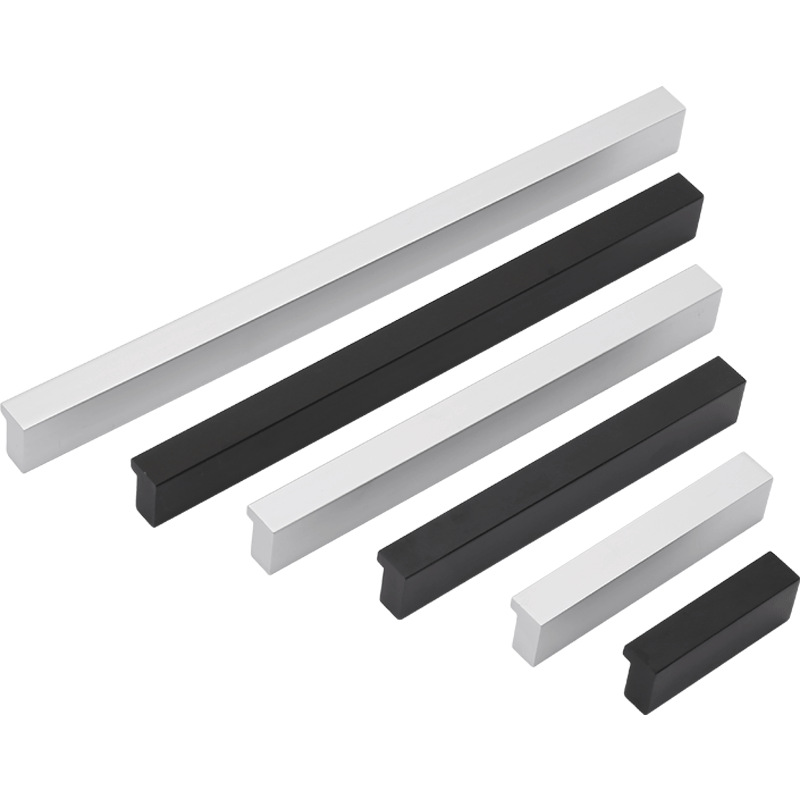
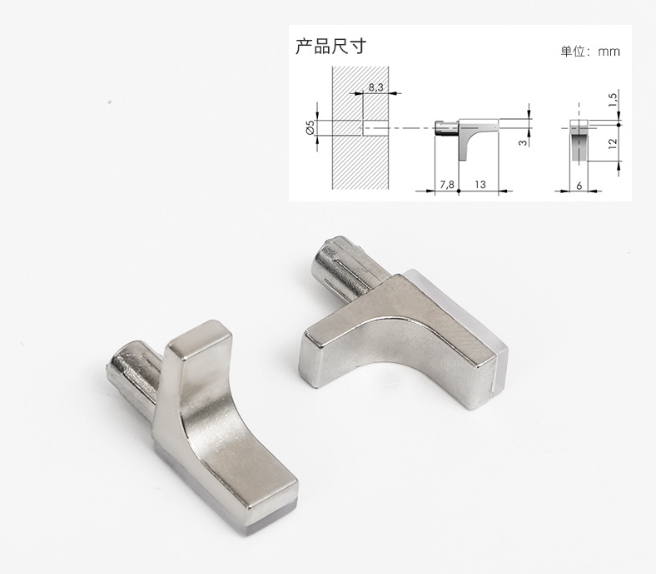
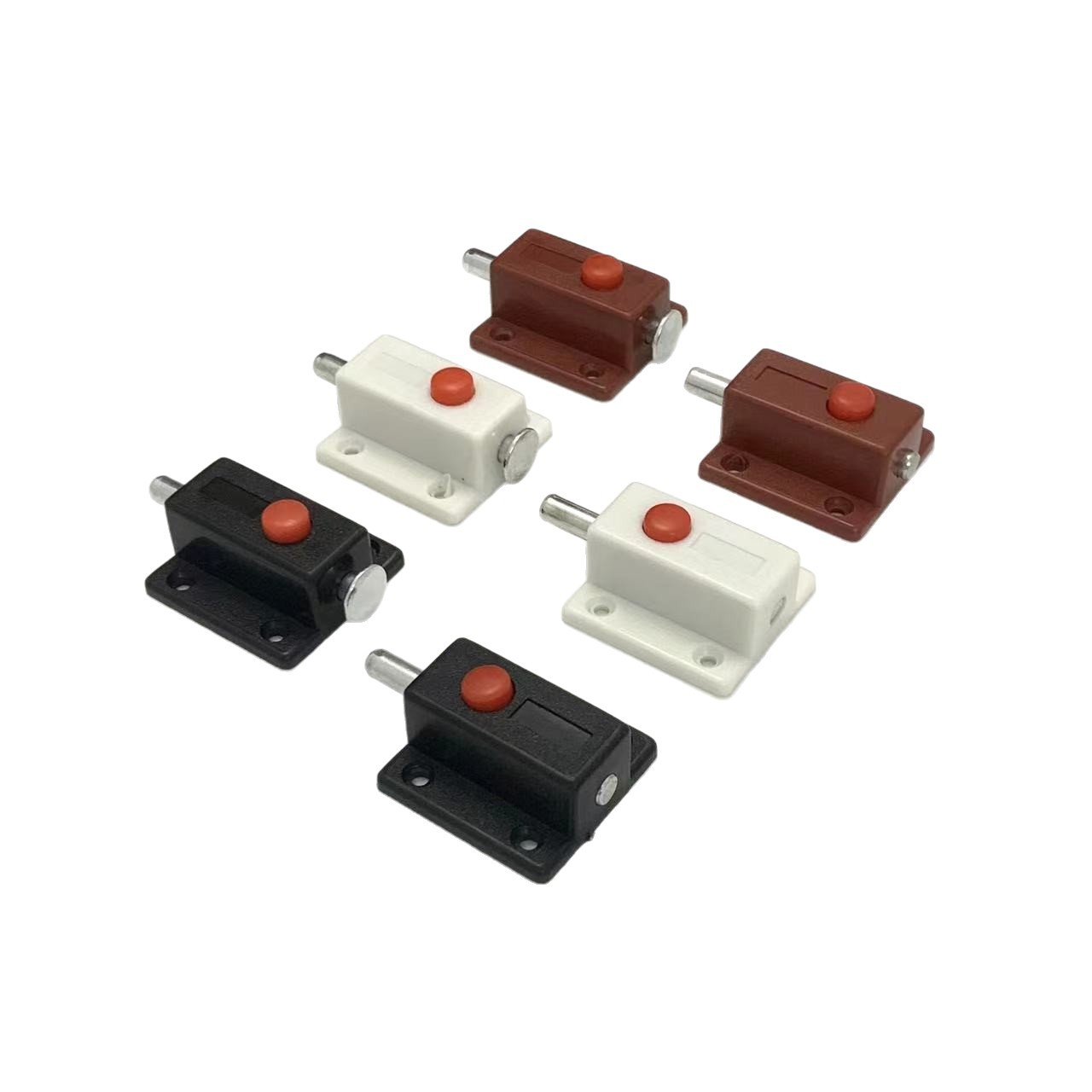
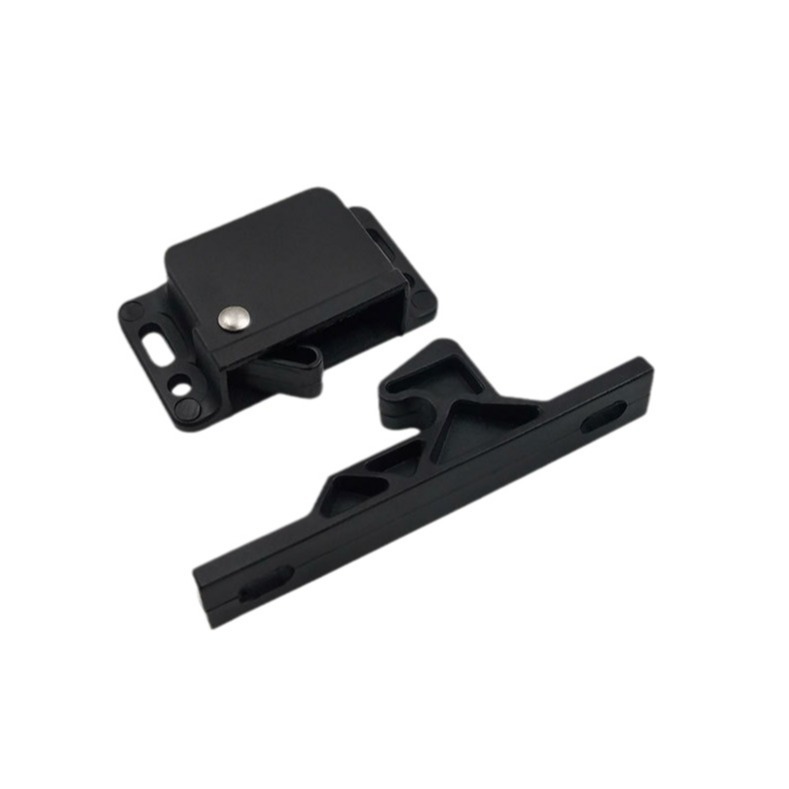
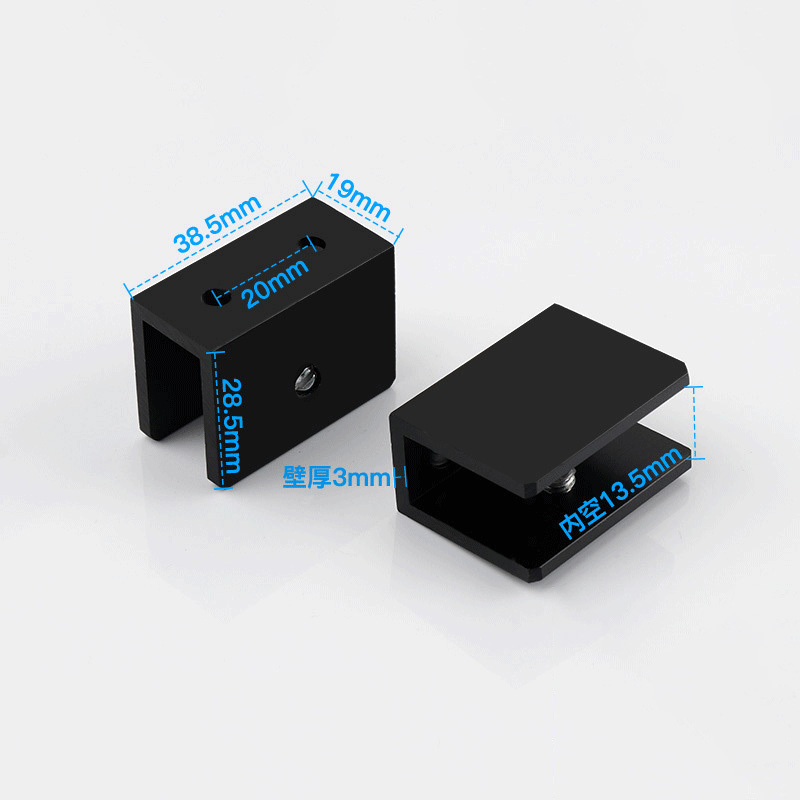
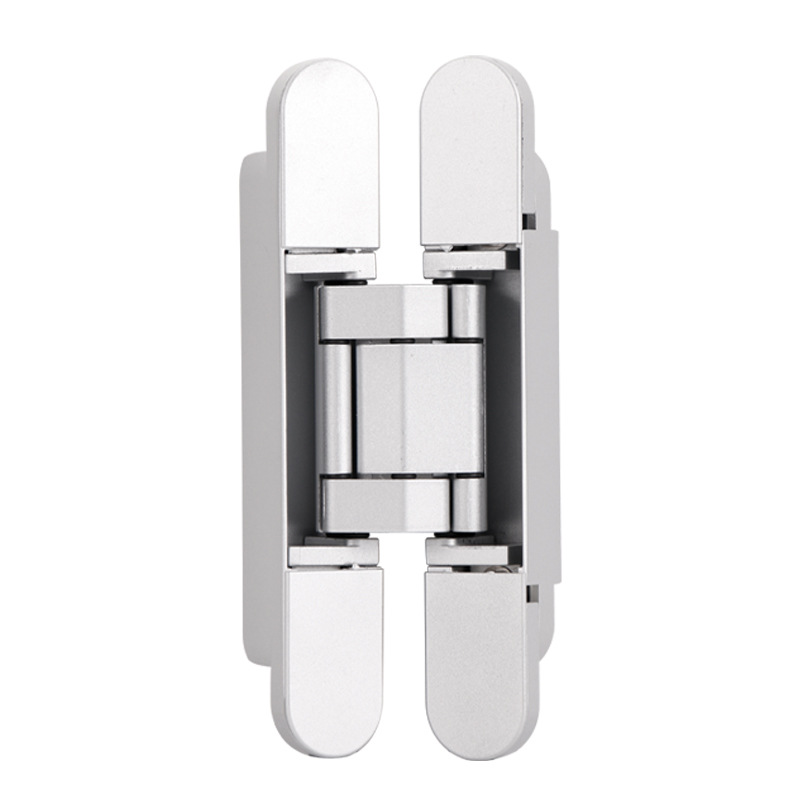
Manufacturing Authority: Xiamen Vock Hardware Co., Ltd.
As a leading Chinese industrial hardware manufacturer and exporter located in Xiamen, Fujian, Xiamen Vock Hardware Co., Ltd. (Vock Hardware) represents over a quarter-century of metallurgical refinement, precision stamping, and kinematic engineering expertise. Operating from an onsite-verified production facility spanning between 1,000 to 3,000 square meters, Vock Hardware integrates strict quality management systems (QMS) across all stages of cupboard hinge production—from raw cold-rolled steel coil slitting to multi-stage electroplating and automated hydraulic cylinder assembly.
Global furniture brands, architectural project contractors, cabinet makers, and wholesale hardware distributors require reliable supply chain partners capable of satisfying rigid international performance benchmarks. Vock Hardware maintains an industry-leading average inquiry response time of under one hour, paired with an extraordinary 99.86% buyer communication rate and a 16% verified reorder rate among major international buyers across North America, Western Europe, and South America.
Information Gain Insight: The structural durability of a concealed cabinet hinge is primarily governed by the chemical composition of the cold-rolled steel (Q235 grade vs. lower recycled grades) and the micron-level thickness of its electroplated barrier layers. Vock Hardware enforces a multi-layer protective coating standard featuring an initial copper undercoat, followed by nickel plating and a final passivation seal, easily surpassing 48-hour to 96-hour Neutral Salt Spray (NSS) corrosion testing (ISO 9227 standards).
Technological & Metallurgy Trends in Cupboard Hinge Manufacturing
Analysis of engineering breakthroughs transforming cabinet hardware durability, motion dynamics, and acoustic damping.
Kinematic Hydraulic Buffering & Viscous Fluid Micro-Damping
The traditional mechanical spring hinge has been almost completely replaced in premium cabinetry by multi-stage hydraulic soft-close mechanisms. Modern manufacturing developments focus on temperature-neutral synthetic hydraulic fluids that maintain stable viscosity between -20°C and 60°C. This prevents abrupt door slamming during winter or sluggish closing dynamics during humid summer conditions. Advanced damper cylinders incorporate dual-path bypass valves, ensuring uniform deceleration across varying cabinet door weights (from 2.5 kg lightweight MDF up to 15 kg solid wood or glass-framed doors).
3D Spatial Adjustability & 165° Wide-Angle Kinematics
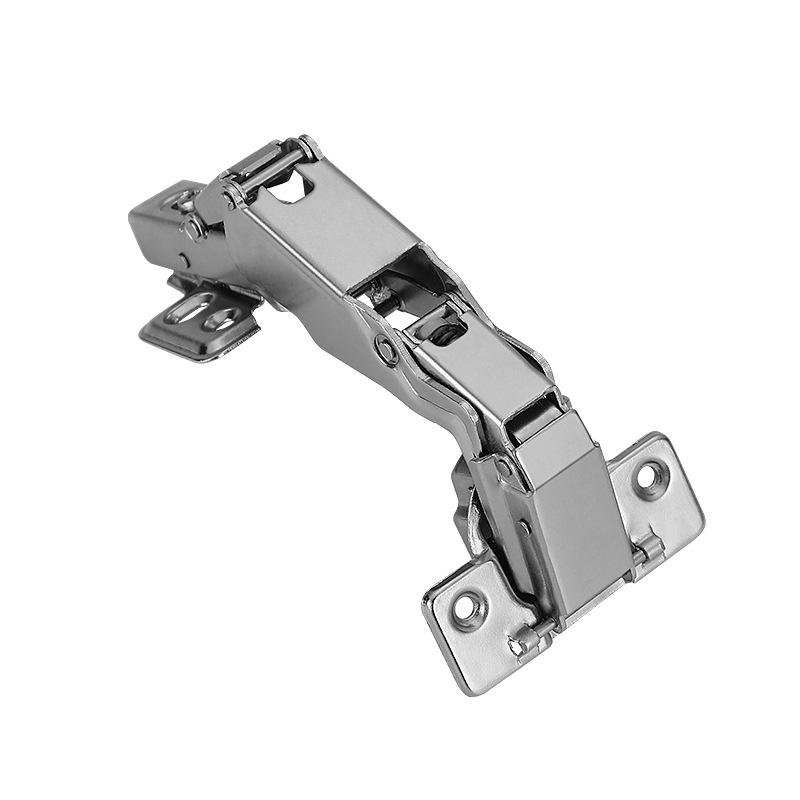
Precision cabinetry installations demand 6-way spatial adjustment (depth, height, and side-to-side alignment) integrated directly into the hinge cup and mounting plate. Eccentric cam adjustment screws allow installers to calibrate panel gaps down to ±0.5 mm tolerances without removing mounting screws. Furthermore, wide-angle 165-degree opening hinges (such as the GQK GK110410 series) utilize complex multi-pivot links that push cabinet doors completely clear of the carcass opening, allowing unobstructed access for interior pull-out wire baskets and pantry drawers.
Eco-Friendly Electro-Galvanic Plating & Anti-Rust Metallurgy
Environmental regulations and consumer safety standards (RoHS and REACH compliance) have driven a massive transition away from traditional hexavalent chromium plating toward trivalent chromium and vacuum ion deposition (PVD) processes. Modern high-volume Chinese exporters employ zero-cyanide copper plating undercoats coupled with high-density nickel baths. This structural matrix prevents galvanic corrosion when cabinet hinges are installed in high-humidity coastal zones, bathrooms, or tropical residential kitchens.
Hybrid Push-to-Open & Soft-Close Mechanical Fusion
Handle-less modern kitchen designs require seamless mechanical synergy between rebound latches and concealed hinges. Historical hardware setups suffered from conflicts between push-open spring mechanisms and soft-close hydraulic dampers. Modern technical trends solve this through mechanical decoupling: the hinge remains completely passive during the initial 15-degree push-to-open phase, engaging its soft-close hydraulic buffer only during the final 30-degree closure arc.
Future Procurement Trends in Global Furniture Hardware Sourcing
Strategic insights for procurement directors, OEM buyers, and hardware wholesalers planning 2025–2030 inventory cycles.
1. Standardization around the European System 32 Pattern
Global furniture manufacturing is heavily aligning around the 32mm system standardization for cabinet mounting plates (35mm cup diameter, 45mm/48mm drilling screw center-to-center distances). Sourcing standardized hinge patterns allows OEM furniture makers to swap hardware components across automated CNC drilling lines without reprogramming machinery, significantly reducing manufacturing downtime.
2. Agile Low-MOQ Procurement & Container Consolidation
Importers are moving away from single-product bulk orders toward consolidated mixed-container shipments. Leading Chinese suppliers now support flexible minimum order quantities (MOQs from 2 to 100 units for trial samples) allowing buyers to combine cupboard hinges, undermount drawer slides, zinc pulls, and wardrobe lifts into a single ocean freight shipment to optimize working capital.
3. Private-Label Customization & Brand Protection
Wholesale hardware distributors are increasingly building proprietary brand equity. Premium Chinese manufacturers now offer comprehensive OEM services, including laser-engraved buyer logos on hinge arm covers, custom color-matched plastic buffer housings, and retail-ready blister packaging designed for big-box home improvement chains.
Frequently Asked Questions (FAQ) for Global B2B Hardware Sourcing
Crucial technical and trade details answered by senior hardware engineers and export specialists.
Technical Specifications Sourcing Checklist for Buyers
When submitting an RFQ (Request for Quotation) to Chinese hardware manufacturers, ensuring that your technical specification document includes the following parameters will significantly accelerate pricing accuracy and sample production:
Mechanical & Physical Parameters
- Hinge Cup Diameter (35mm standard, 26mm mini, or 40mm thick-door)
- Crank Overlay Type (Full Overlay / 0-Crank, Half Overlay / 8-Crank, Inset / 15-Crank)
- Opening Angle (90°, 105°, 110°, 135°, or 165° wide opening)
- Cup Fixing Type (Screw-on, Knock-in plastic dowels, or Tool-free keyhole)
- Mounting Plate Mechanism (Slide-on standard vs. 3D Clip-on quick release)
Metallurgical & Environmental Requirements
- Base Material Grade (Q235 Cold-Rolled Steel, Stainless Steel SUS304, or Zinc Alloy)
- Electroplating Finish (Nickel Plated, Black Electro-deposition, Brushed Brass, PVD)
- Corrosion Resistance Rating (NSS 24H, 48H, 72H, or 96H Salt Spray test)
- Damping Cylinder Type (Integrated hydraulic damper vs. external snap-on damper)
- Target Lifespan Cycle Standard (30,000 / 50,000 / 80,000 opening cycles)
Accelerate Your Hardware Procurement with Vock Hardware
Contact our engineering and sales export department today for comprehensive technical datasheets, factory direct pricing, OEM customized samples, and consolidated container quotes.