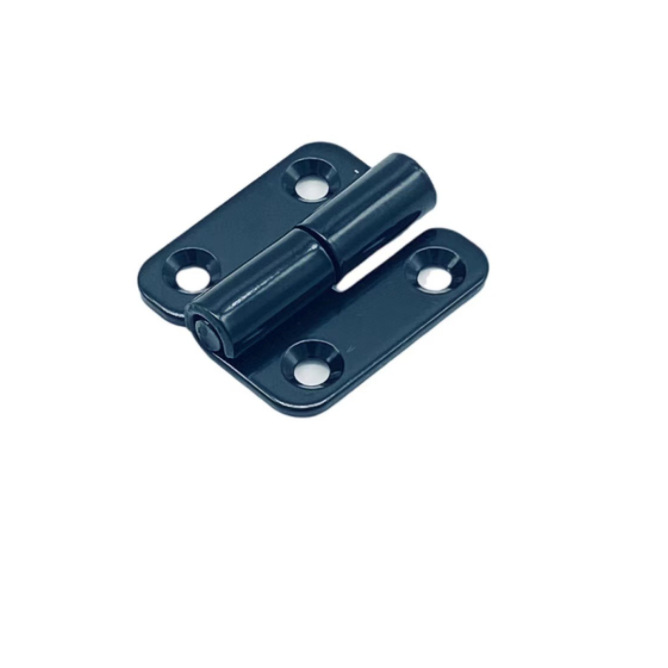
Heavy-Duty Hinges
Engineered for high-volume cabinet makers, commercial architectural millwork, and global hardware distributors. Fully compliant with BIFMA X5.5 and EN 15338 load cycles.
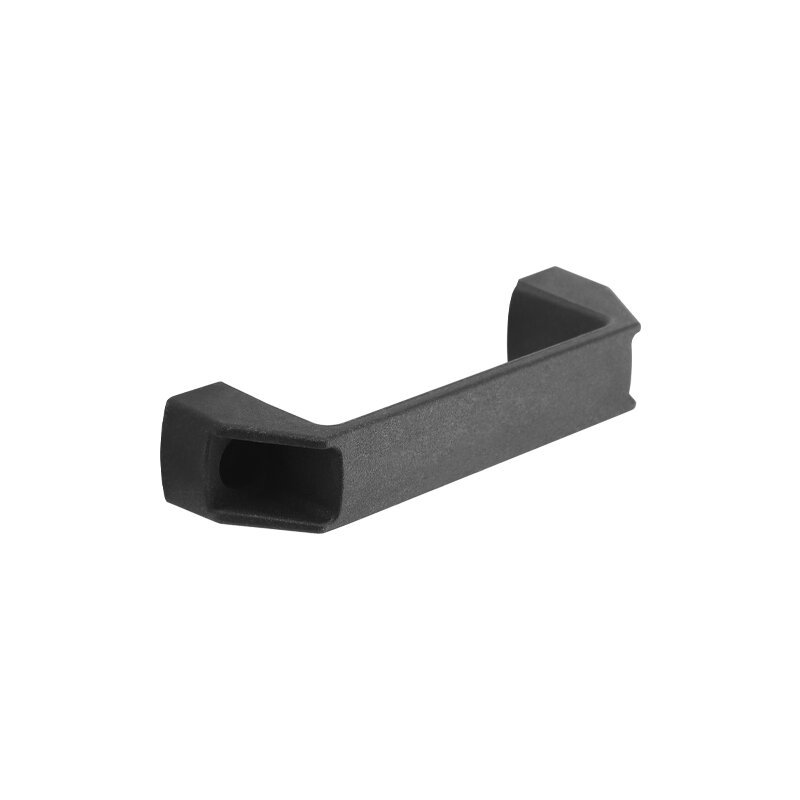
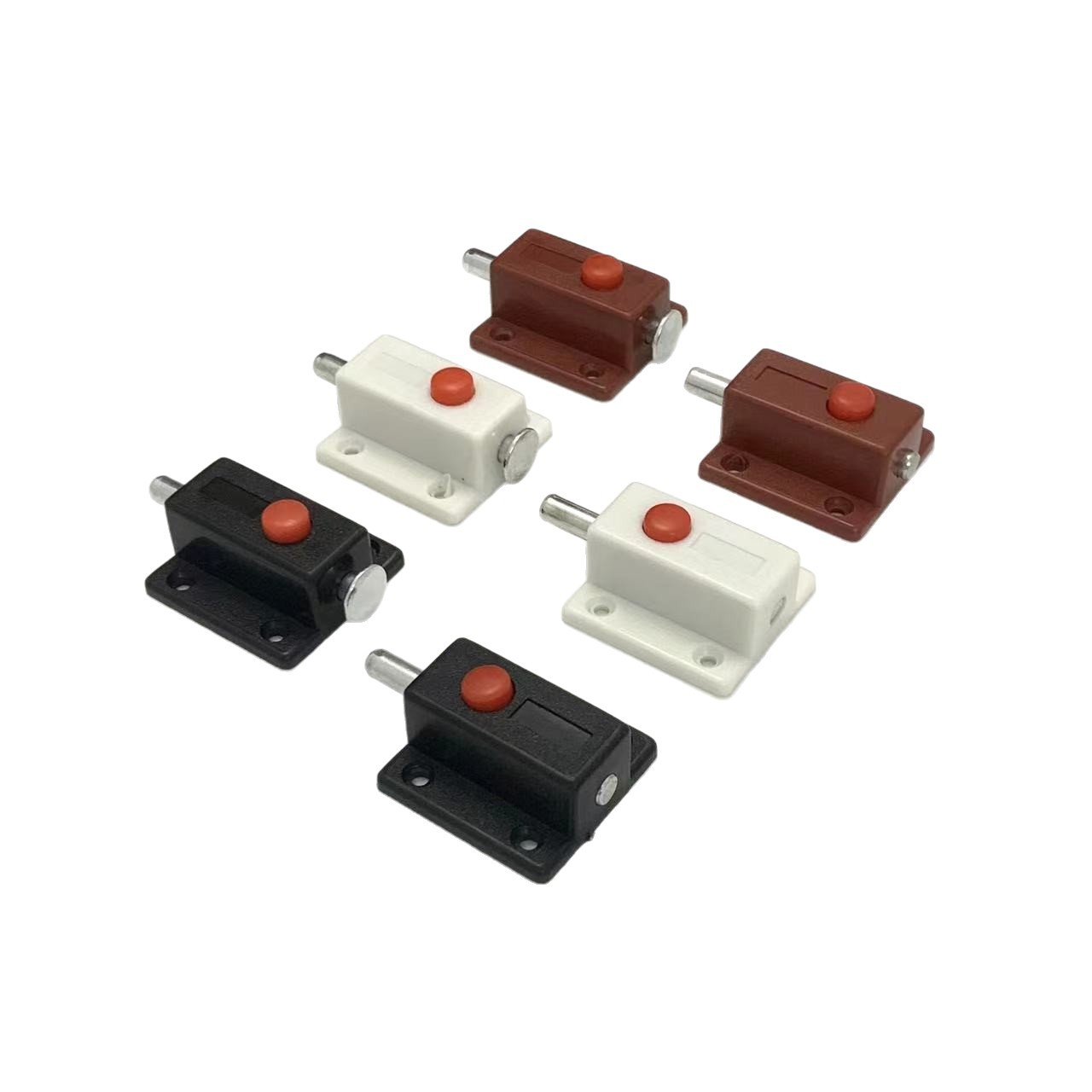
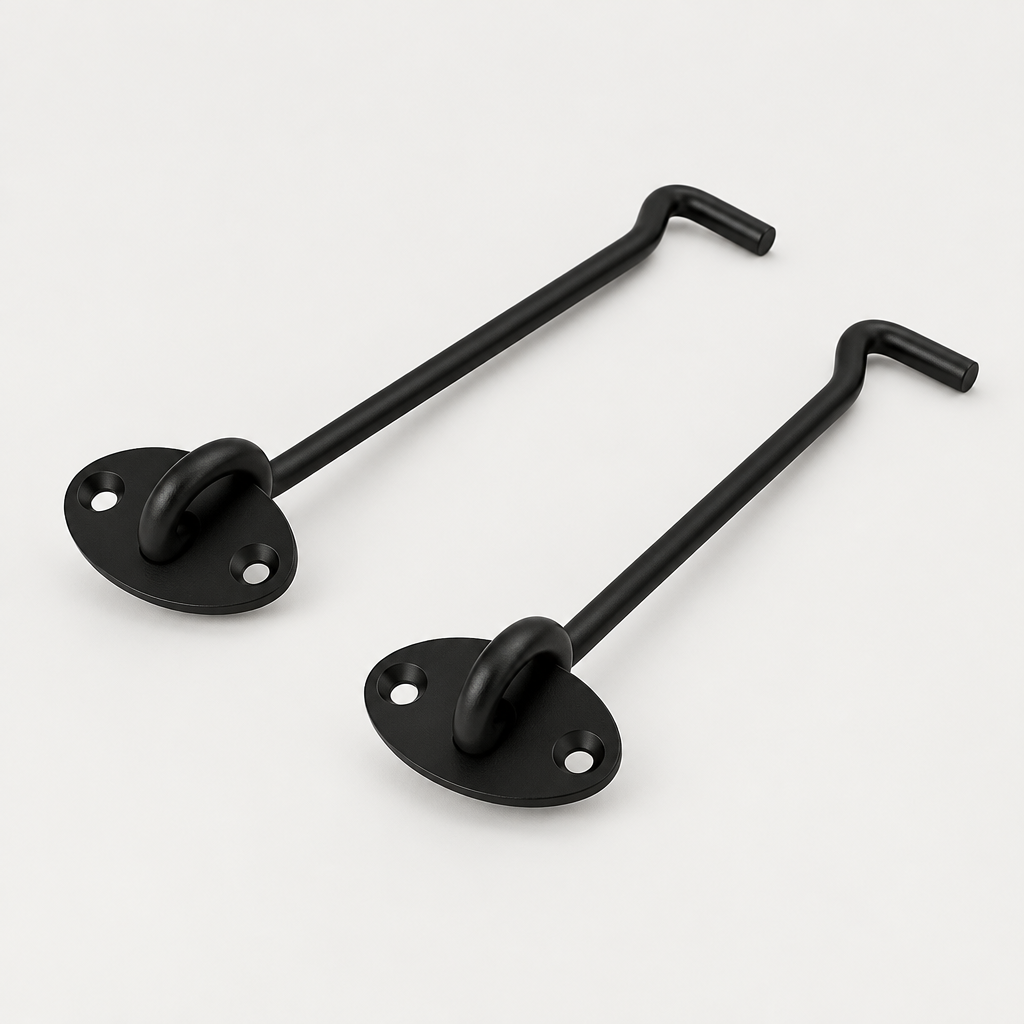
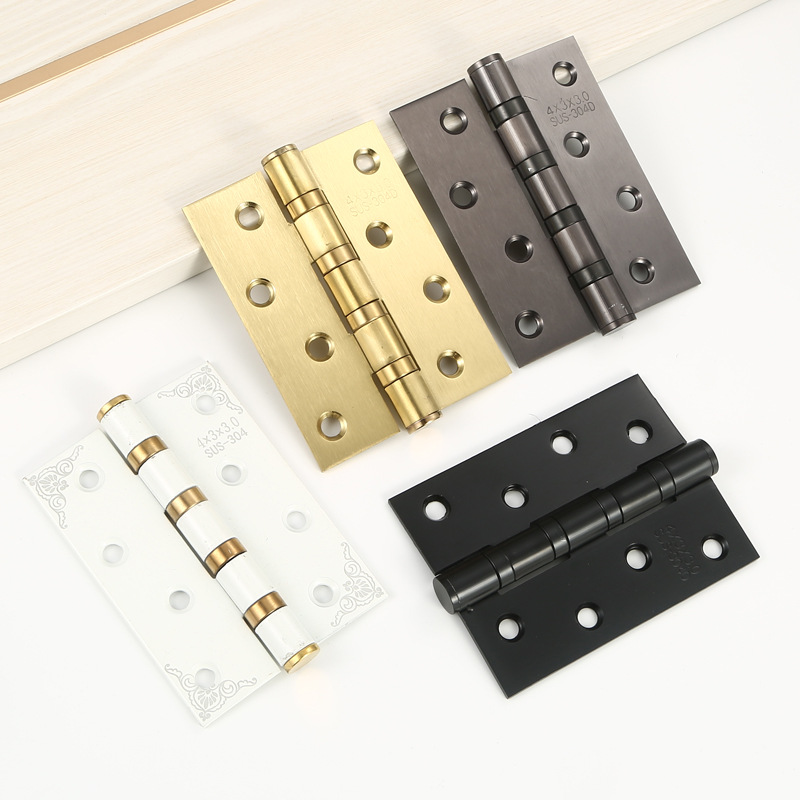
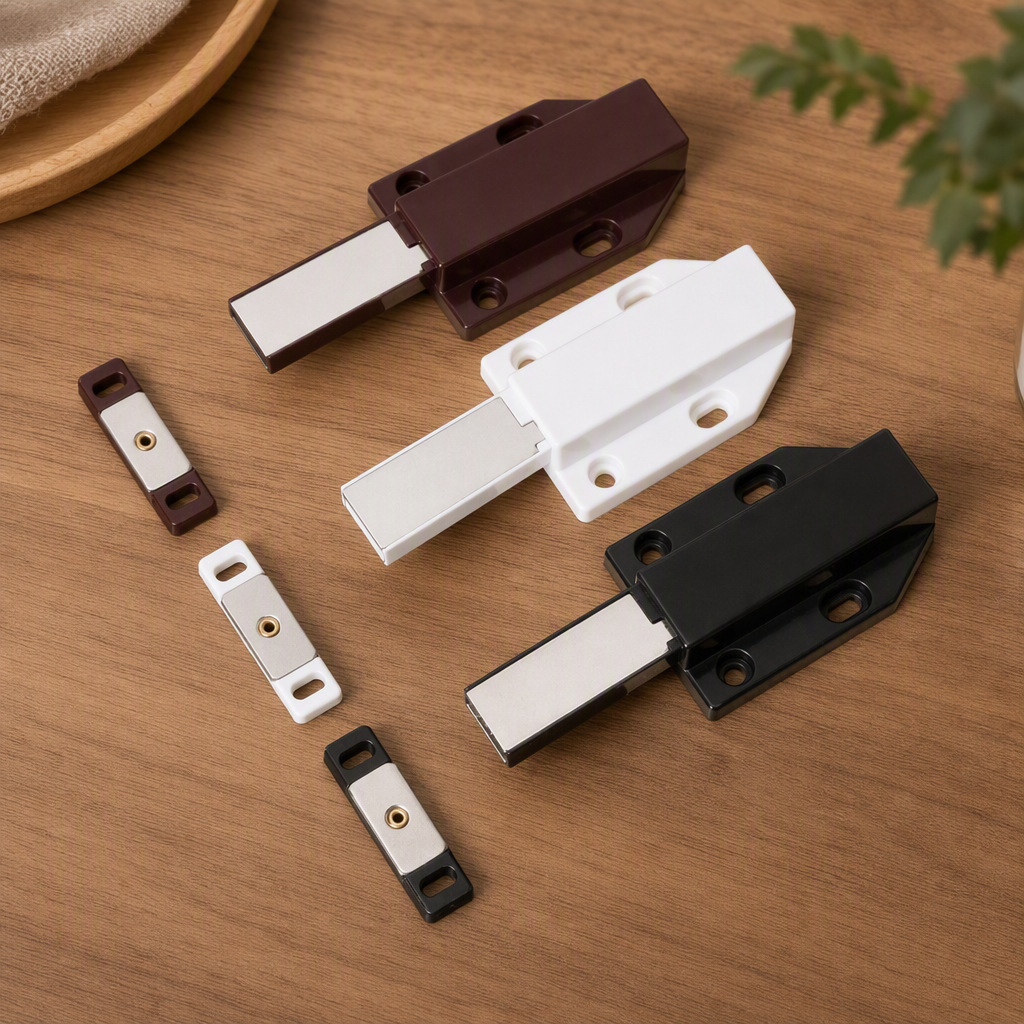
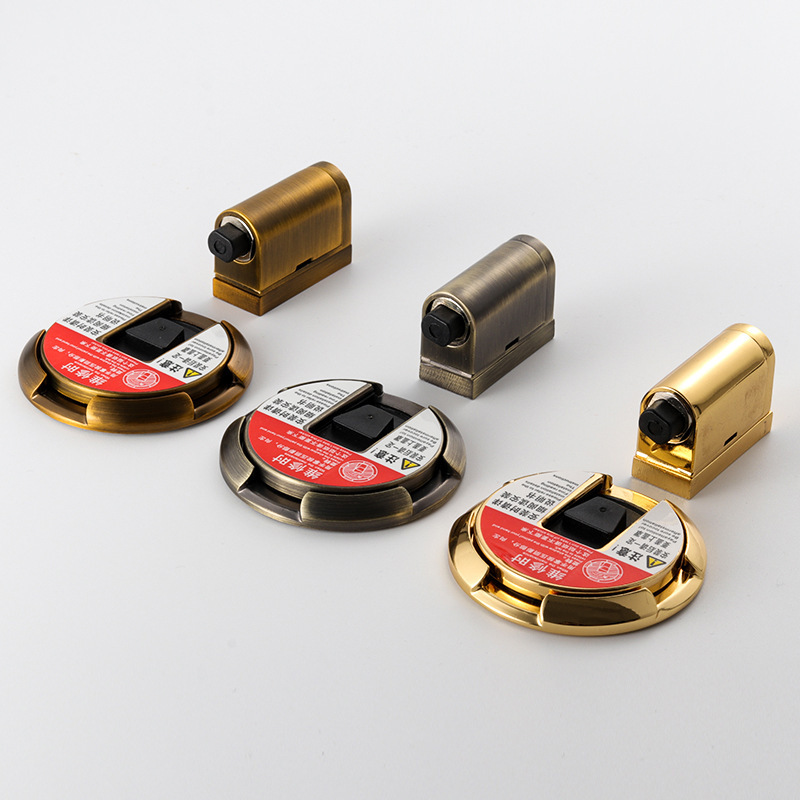
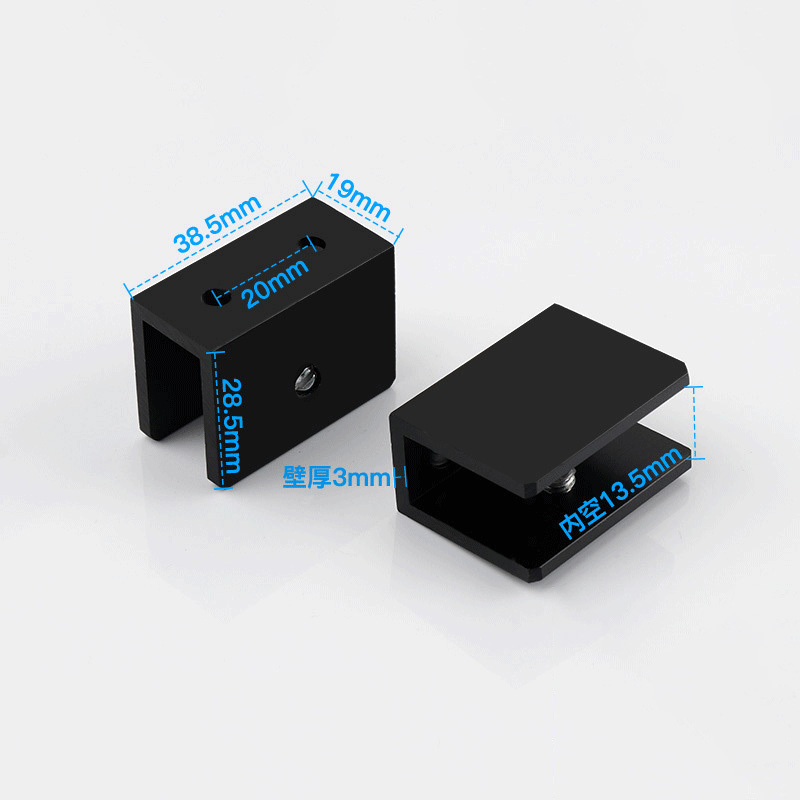
China remains the uncontested powerhouse of precision kitchen cabinet hardware, producing in excess of 65% of the world’s concealed hydraulic hinges, synchronous undermount drawer runners, corner pull-out organizers, and architectural hardware fittings. Understanding this complex landscape requires international procurement managers to distinguish between the distinct metallurgical competencies of major manufacturing belts: the Pearl River Delta (specializing in high-cadence progressive stamping and zinc alloy die-casting), the Yangtze River Delta (noted for high-tensile precision cold-rolled stamping), and the specialized Fujian industrial corridor centering on Xiamen.
In Fujian—home to Xiamen Vock Hardware Co., Ltd.—the manufacturing ecosystem is optimized specifically for overseas OEM/ODM private-label contracts, hospitality millwork engineering, and tight quality assurance frameworks. Rather than competing merely on commodity pricing, factories in this region combine multi-axis CNC tooling, electrostatic powder coating lines, and integrated assembly rooms to yield components compliant with ANSI/BHMA A156.9 standards and European EN 15570 Level 3 performance tests (exceeding 80,000 to 100,000 articulated opening and closing cycles under load).
Engineering failure in kitchen cabinetry almost universally stems from substandard material chemistry. In budget factories, scrap metal recycling leads to high zinc-alloy porosity and rapid intergranular corrosion. Vock Hardware implements an uncompromising raw material verification protocol:
1. Austenitic Stainless Steel (SUS304 vs. SUS201): For wet sink units, coastal villas, and high-salinity marine cabinetry, our flagship hinges and latches utilize non-magnetic SUS304 with an audited minimum nickel content of 8.0% and chromium of 18.0%. This prevents pitting corrosion and stress cracking under mechanical loads.
2. Cold-Rolled Steel SPCC with Cyanide-Free Copper Underplate: To achieve smooth motion in drawer slides and 35mm cup concealed hinges, the substrate must possess uniform tensile strength (minimum 270 MPa). We eliminate micro-burrs via automated high-speed stamping dies to ensure seamless slide action.
3. High-Pressure Die-Cast Zamak 3 & 5: Used extensively for decorative cabinet handles, concealed floor catches, and structural shelf clamps. Zamak-3 guarantees tight dimensional tolerance (±0.02mm) and superior impact strength, preventing brittleness and snapping during installation torque spikes.
How progressive European and North American importers, custom furniture brands, and distributors are mitigating risks and capturing margin advantages.
While "China+1" diversification has gained traction, complex mechanisms like hydraulic damping systems, concealed multi-pivot lift hinges, and synchronous drawer runners require extensive sub-supplier webs that Southeast Asian factories currently lack. Importers are retaining their tier-1 manufacturing core in China while demanding direct factory audits and FOB consolidation to de-risk logistics.
Forward-thinking procurement directors have discarded basic ex-factory FOB cost comparisons in favor of Total Cost of Sourcing. This incorporates packaging volume efficiency, assembly line failure rates, warranty replacement overhead, and customer claim costs. A hinge costing $0.05 less is a financial liability if it displays a 2% hydraulic oil leakage rate in the field.
Rising warehouse carrying costs in destination markets make bulk single-SKU 40-foot containers economically dangerous. Buyers increasingly partner with versatile manufacturers like Vock Hardware who can consolidate up to 40 distinct SKUs—including drawer slides, closet rods, handles, and specialty hinges—into a single container with unified palletization and barcodes.
Environmental mandates across the EU and North America have effectively banned hexavalent chromium (Cr6+) plating and high-lead brass compositions. Future-ready manufacturers in China have transitioned fully to trivalent chromium (Cr3+), lead-free brass (C6801/C6802), and eco-friendly electrodeposition paints to eliminate import border seizures.
Traditional trade intermediaries who take weeks to relay technical revisions are being rapidly disintermediated. Importers demand direct communication with internal factory mechanical engineers who can interpret 3D CAD files (.STP, .IGS), run mold-flow simulations, and fabricate 3D SLA prototyping within 48 hours.
The convergence of cabinetry and smart home technology is driving procurement toward hardware pre-configured for low-voltage LED channel integration, touch-sensor capacitive push-latches, and motorized pull-out waste sorting systems with soft-open and auto-close triggers.
The kitchen furniture hardware sector is undergoing a profound paradigm shift driven by architectural minimalism and ultra-functional ergonomics. Hardware is no longer an afterthought tucked inside a cabinet box; it is the fundamental mechanical skeleton that defines luxury, tactile feedback, and spatial maximization.
Contemporary handleless cabinetry mandates the elimination of visible grips and profiles. However, historical push-to-open latches suffered from harsh mechanical recoil and erratic latching. The modern development trend integrates mechanical spring rebound with two-stage hydraulic buffering. The GQK series of elastic rebound metal devices exemplifes this design: delivering smooth, zero-vibration door opening with a light fingertip tap, while synchronizing with soft-close hinge cups to retain whisper-quiet damping on closure.
Thick, double-walled drawer sides are rapidly being displaced by ultra-slim 13mm straight-line steel drawers. This maximizes interior cubic capacity by up to 15%. Beneath the drawer, 3D and 6D adjustable undermount synchronizers allow millwork contractors to micro-tune drawer face alignment (height ±2mm, side ±1.5mm, depth ±2mm) on site without disassembling the cabinet framework.
Conventional bright chrome is witnessing sustained volume decline against matte black, brushed brass, graphite gunmetal, and champagne gold. Advanced factories employ Physical Vapor Deposition (PVD) inside vacuum chambers. This process vaporizes titanium alloys, bonding them atomically to the substrate. The resulting surface finish exhibits quadruple the surface hardness of standard electroplating, extreme resistance to abrasive scouring pads, and inherent anti-fingerprint resistance.
| Hardware Category | Standard Commercial Grade | Vock Hardware Industrial OEM Grade | Testing Protocol | Application Environment |
|---|---|---|---|---|
| Hydraulic Cabinet Hinges | Single spring, carbon steel piston, 30k cycles | Dual-spring, forged brass cylinder, 80k–100k cycles | EN 15570 Level 3 / ISO 9001 | Kitchen pantry, heavy lacquer doors |
| Undermount Drawer Slides | Partial extension, plastic roller, 25kg rating | Full extension 3D synchronized, POM gears, 40kg dynamic | ANSI/BIFMA X5.5 | Wide pot drawers, commercial islands |
| Architectural Pulls & Handles | Hollow aluminum, basic wet spray painting | Solid extrusion 6063-T5 / Zamak 3, vacuum PVD, 96h NSS | ASTM B117 Neutral Salt Spray | High-traffic residential & hotel suites |
| Glass Clamps & Shelf Supports | Friction fit, zinc scrap alloy, rubber ring | Passivated alloy, anti-rust, precision silicone gasket | Static deadweight load ≥ 50kg | Display cupboards, illuminated shelving |
Xiamen Vock Hardware Co., Ltd. operates as an onsite-audited manufacturing facility in Fujian, China, delivering enterprise reliability, transparent trade histories, and agile engineering support.
Decades of specialized experience in hardware fabrication, mold design, progressive stamping, and die-casting allows us to solve complex mechanical challenges before mass fabrication begins.
With an independently verified 99.86% inquiry response rate, our bilingual technical team reviews 3D models, delivers feasibility reports, and quotes tooling costs within one business hour.
We remove barriers for new product line rollouts by offering sample runs and starting MOQs from as low as 2–10 pieces on standard stock models, allowing you to test market appetite before capital outlay.
From bespoke laser logo etching to customized retail polybags, color boxes, barcoding, and master cartons, we deliver fully packaged products ready for direct fulfillment center distribution.
Our dedicated 1,000 to 3,000 square meter factory in Xiamen, staffed by 51 to 100 skilled production technicians, has undergone physical third-party onsite verifications for complete sourcing peace of mind.
In-house tool and die workshops ensure new custom hinge or handle molds can be developed, test-shot, and refined within 15 to 25 days, significantly beating the 45-day industry average.
Every production batch is audited from incoming raw metallurgical spectrometry to progressive stamping checks, plating thickness verification, mechanical cycle fatigue runs, and packing drop tests.
With verified export footprints across North America, South America, Western Europe, Eastern Europe, and the Nordic countries, our packaging and metric/imperial hole configurations match regional standards.
Essential guidance addressing lead times, quality assurance, tooling investments, and container logistics.
Connect directly with the engineering specialists at Xiamen Vock Hardware Co., Ltd. Transmit your 2D/3D mechanical drawings, procurement specifications, or sample requirements for an audited factory quotation within one hour.