Featured Architectural Hardware & Industrial Component Catalog
Examine our certified production portfolio covering architectural stainless steel hinges, reinforced load-bearing pivots, high-cycle catches, and precision interior cabinet fittings engineered for rigorous commercial usage.
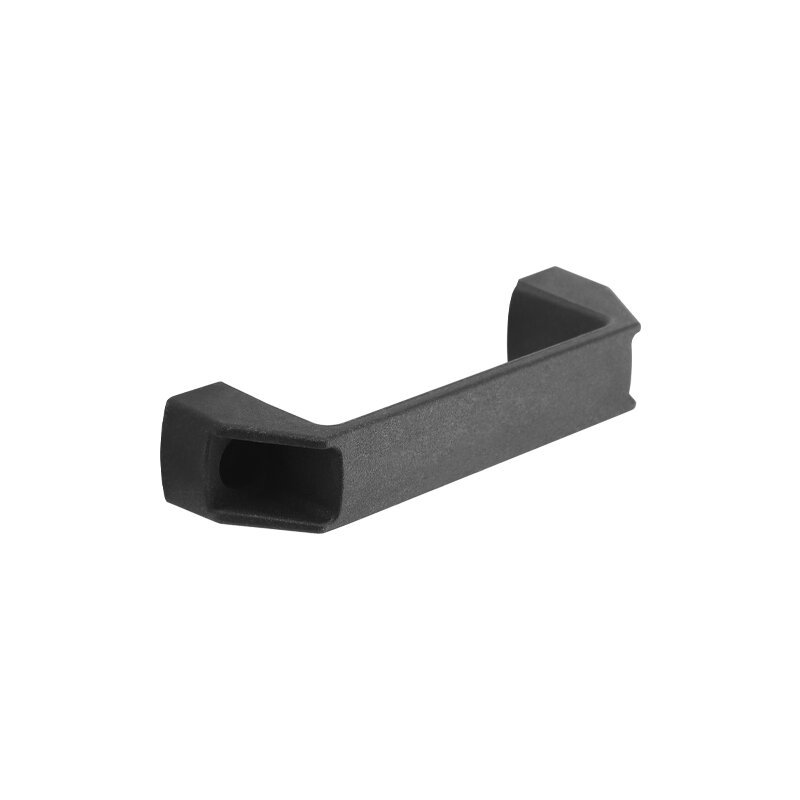
Industrial Reinforced Square Plastic Pull Handle 150mm Black Cabinet Drawer Grip Easy Installation Farmhouse
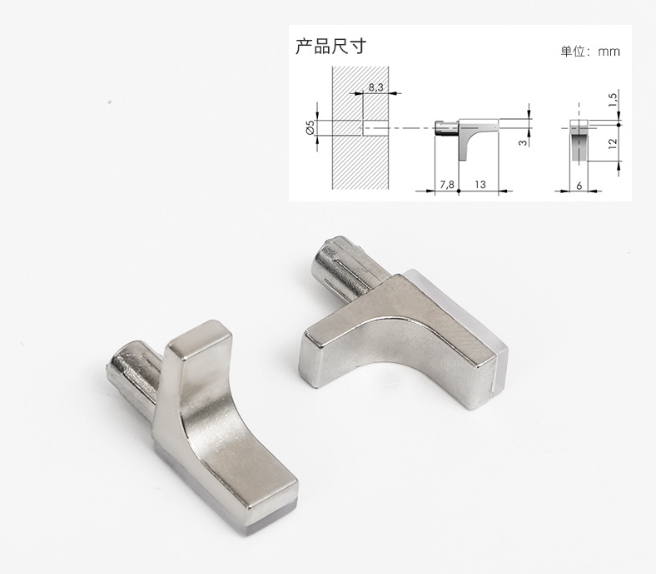
Furniture Metal Iron Shelf Support Stud Shelf Manufacturers Customized GQK Pin Brackets Cheap Hinges for Shelves
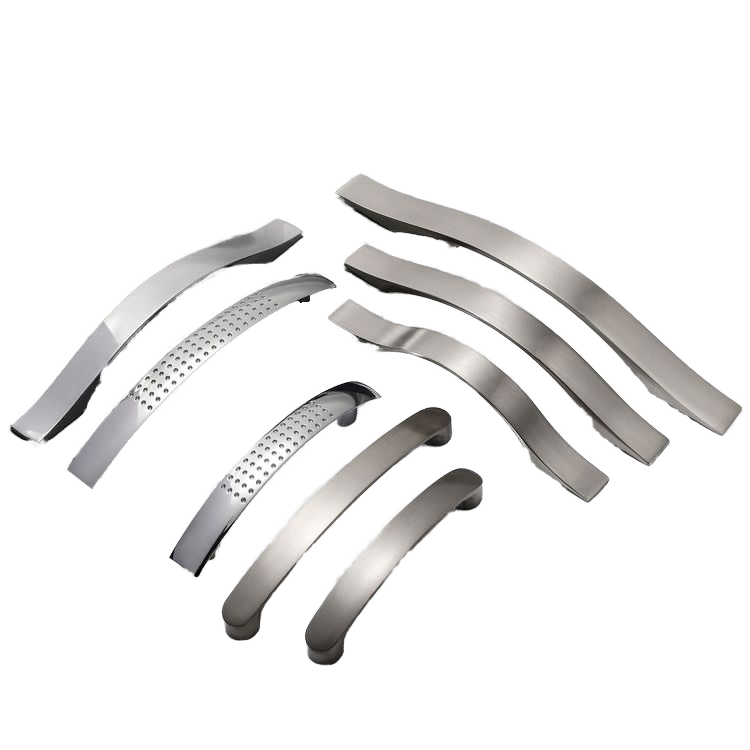
Modern Simple Black Nickel Brushed Aluminum Handles for Kitchen Drawers Wardrobe Furniture & Workshop Doors
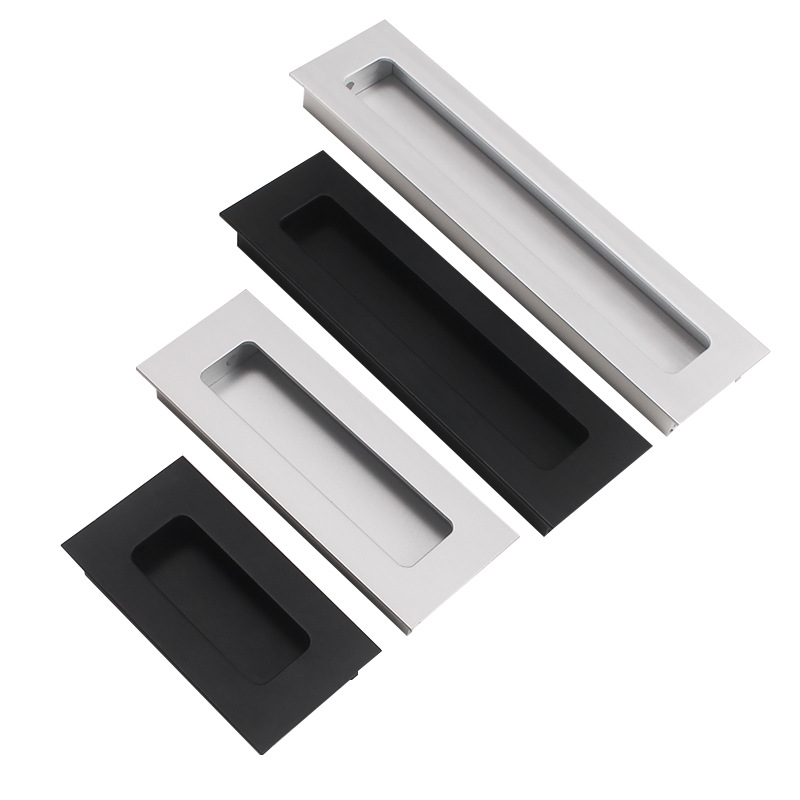
GQK Modern Aluminum Alloy Recessed Cabinet Pulls Concealed Flush Embedded Handles 24mm Height for Drawer Dresser Wardrobe
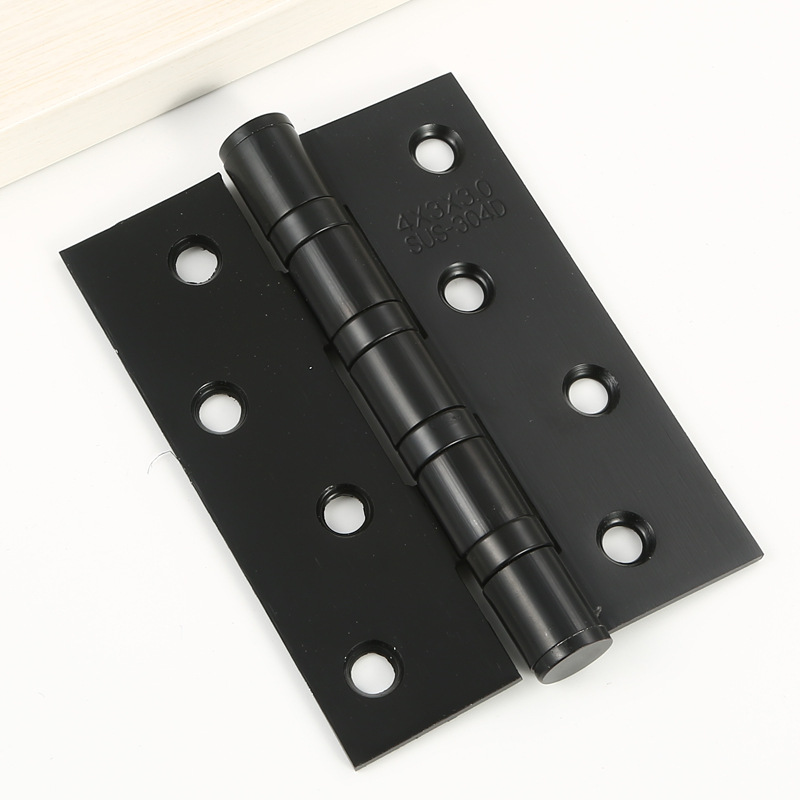
Stainless Steel Heavy Duty Bearing Hinge 2.5mm Antirust 8 Hole Door Mount Furniture Hardware
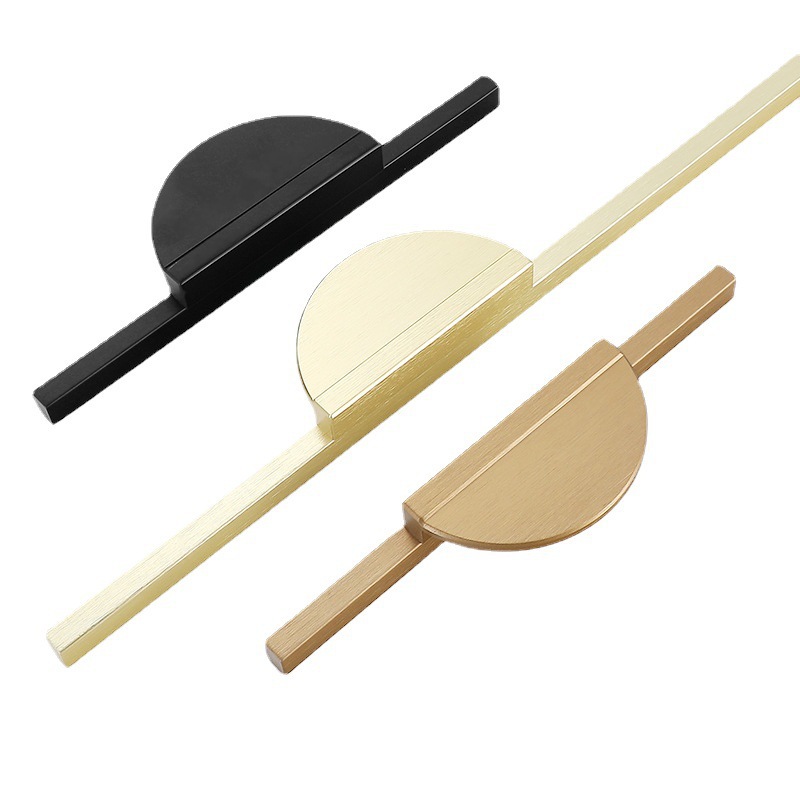
GQK Minimalist Zinc Alloy Semicircle Cabinet Pull Handle Splice Drawer Knob 24 mm Furniture Hardware for Wardrobe Kitchen
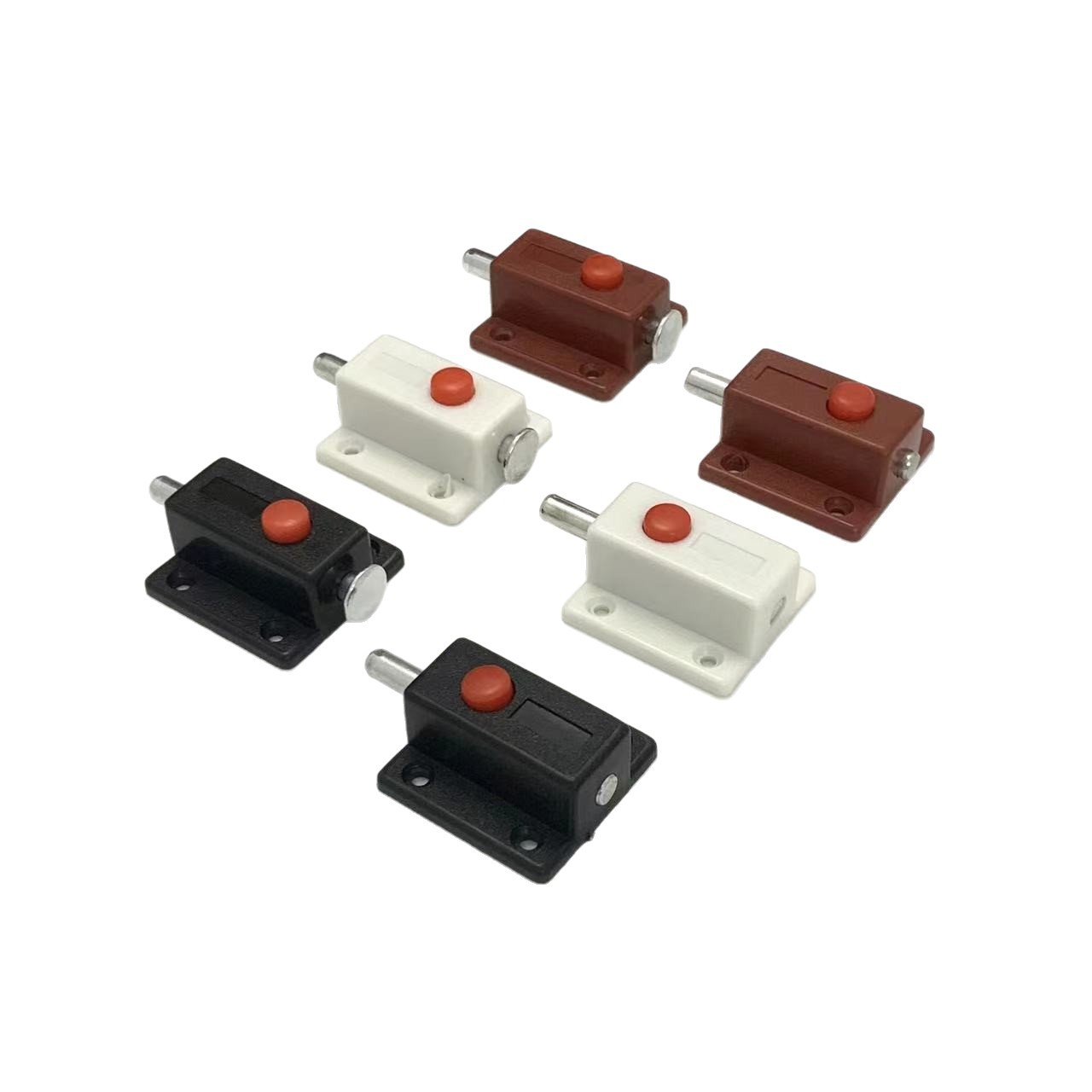
GQK 1.5 Inch Self Popping Pin Door Latch Plastic Button Catch Automatic Release Closer for Bedroom Doors
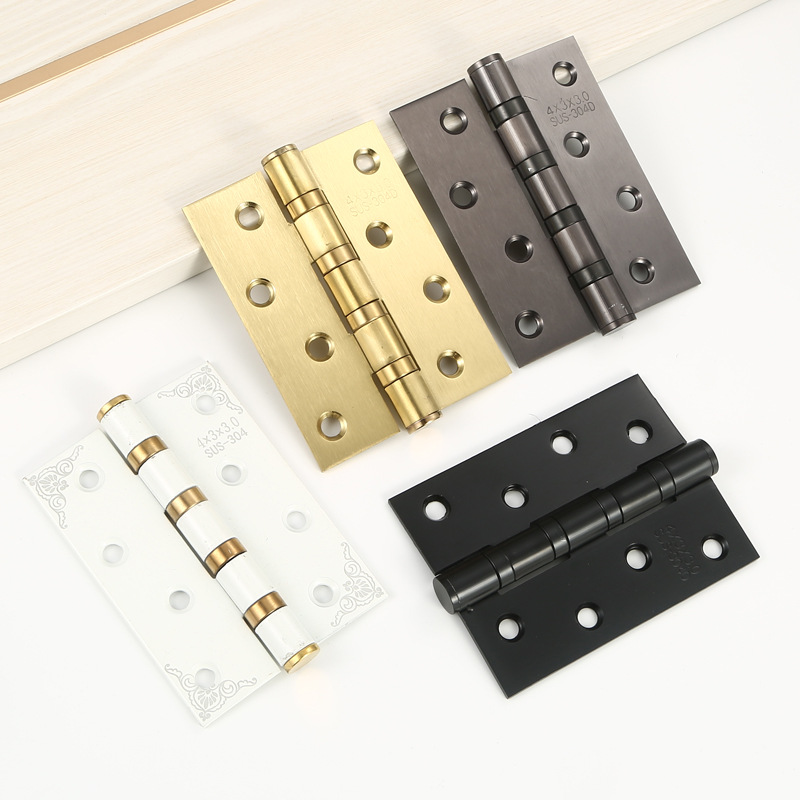
Brass Door Hinge 3mm Thick 180 Degree Opening 8 Hole Modern Hardware Easy Installation
The Anatomy of China's Stainless Steel Hinge Industrial Clusters
Navigating regional manufacturing specialization, metallurgical supply chains, and technical capabilities to mitigate procurement risk.
Fujian Coastal Precision Engineering
Centered in high-tech economic corridors such as Xiamen, Fujian manufacturers specialize in integrated furniture hardware systems, automated hydraulic damping concealed hinges, and high-tolerance CNC-machined architectural hinges with integrated quality assurance systems.
Guangdong Stamping & Surface Ecosystems
Clusters in Jiangmen, Zhongshan, and Jieyang dominate massive continuous-stamping output and extensive electroplating networks. These operations excel in high-volume, standardized light-gauge butt hinges, commercial sash hardware, and cost-optimized zinc-iron multi-assemblies.
Zhejiang Heavy Industrial & Marine Hardware
Wenzhou and Ningbo manufacturers concentrate heavily on lost-wax investment cast stainless steel hinges, extreme heavy-duty marine hardware (AISI 316), and explosion-proof NEMA-rated enclosure hinges designed for severe offshore and petrochem environments.
Critical Auditor Notice: Verifying Raw Slitting Coils vs. Stamped Scraps
A primary failure mode in budget Chinese hinge exports is the substitution of virgin cold-rolled AISI 304 coils with uncertified reclaimed secondary scrap metals high in sulfur and phosphorus. Tier-1 buyers must demand raw material Mill Test Certificates (MTCs) verifying compliance with standard EN 10204 3.1 and execute optical emission spectrometry (OES) during initial factory tooling trials.
Material Grade Selection: Austenitic, Ferritic & Marine Alloys
Choosing the right chemical composition directly controls mechanical yield strength, galvanic resistance, work hardening during knuckle curling, and pitting resistance in coastal or chemical installations.
| Steel Grade | Microstructure | Chemical Composition | PREN Rating | NSS Salt Spray (ASTM B117) | Primary Industrial Use-Case |
|---|---|---|---|---|---|
| AISI 304 / 1.4301 | Austenitic (18/8) | 18.0-20.0% Cr, 8.0-10.5% Ni, ≤0.08% C | 18.0 - 20.0 | 96 to 240 Hours (Zero Red Rust) | Commercial architectural doors, high-end residential cabinetry, medical casework. |
| AISI 316 / 1.4401 | Austenitic (+Mo) | 16.0-18.0% Cr, 10.0-14.0% Ni, 2.0-3.0% Mo | 23.0 - 25.0 | 720 to 1,500+ Hours | Marine installations, offshore platform hatches, coastal hotels, chemical washdown facilities. |
| AISI 201 (Modified) | Austenitic (High Mn) | 15.0-17.0% Cr, 1.0-1.5% Ni, 5.5-7.5% Mn | 15.0 - 16.5 | 24 to 48 Hours | Strictly dry interior casework, low-cost budget furniture fittings, non-critical assemblies. |
| AISI 430 / 1.4016 | Ferritic (Magnetic) | 16.0-18.0% Cr, ≤0.75% Ni, ≤0.12% C | 16.0 - 18.0 | 48 to 72 Hours | Low-humidity interior panels, basic residential storage, industrial dry-box enclosures. |
Pitting Resistance Equivalent Number (PREN)
PREN is calculated via the metallurgical formula: PREN = %Cr + 3.3(%Mo) + 16(%N). For exterior hospitality, maritime infrastructure, or high-traffic commercial facades, hinges must attain a minimum PREN of 23. This ensures that chloride ions present in ocean mist or industrial smog cannot rupture the self-healing chromium oxide (α-Cr₂O₃) passivated surface layer.
Bearing Tribology & Bushing Composition
Hinge longevity depends fundamentally on knuckle friction management. Top Chinese manufacturers deploy two distinct internal bearing assemblies: high-carbon stainless steel micro-ball bearings packed in synthetic PTFE grease, or oil-impregnated sintered porous bronze bushings. Sintered bronze bearings prevent cold welding and galling under extreme radial door loads up to 160 kg.
Future Procurement Trends Transforming China's Hinge Industry
Technological innovation, carbon tariffs, and automated manufacturing are drastically altering how global hardware brands procure from Chinese manufacturers.
Nanotech Damping Fluids
Next-generation hydraulic hinges now incorporate silicone oils enhanced with nanoscopic carbon structures, preventing seal degradation and viscosity breakdown across extreme temperature deltas (-30°C to +75°C).
PVD Vapor-Phase Finishing
Traditional wet chemical electroplating is being replaced by Physical Vapor Deposition (PVD). Titanium nitride sputtering yields ultra-durable Matte Black, Brushed Brass, and Rose Gold surfaces boasting diamond-like Vickers hardness (>2,000 HV).
Robotic Stamping & Optical QC
Progressive progressive-die stamping lines operating at 120 strokes/minute now pair with high-speed AI optical laser inspection, measuring knuckle clearance tolerances down to ±0.015mm and instantly ejecting micro-defects.
CBAM Carbon Transparency
With the European Union Carbon Border Adjustment Mechanism (CBAM) entering enforcement, advanced Chinese mills track Scope 1, 2, and 3 emissions per ton of fabricated stainless hardware, protecting importers from punitive carbon tariffs.
Engineering Capabilities: Xiamen Vock Hardware Co., Ltd.
Positioned in the coastal manufacturing hub of Xiamen, Fujian, Vock Hardware integrates deep engineering heritage with flexible OEM/ODM production lines built specifically for international importers and brand owners.
25+ Years Industrial Heritage
Our senior tooling directors and metallurgical engineers possess over two decades of production oversight, navigating complex engineering-order tolerances, contract hospitality hardware, and custom architectural fabrications.
≤1h Technical Response SLA
We maintain an audited 99.86% communication response rate. Technical inquiries, AutoCAD/SolidWorks file evaluations, and standard price matrix requests receive comprehensive engineering feedback within 60 minutes.
Low Trial MOQs & Consolidated Loads
Mitigate inventory carrying risk. We provide sample validation starting from 2 pieces and low production thresholds (10-100 pcs on stocked lines), enabling global distributors to consolidate hinges, drawer slides, and handles in single containers.
Frequently Asked Questions by Industrial Sourcing Directors
Clear, definitive answers to technical standards, chemical verification, tooling costs, and contract terms when procuring stainless steel hardware from China.
How can buyers prevent suppliers from substituting AISI 304 with AISI 201 stainless steel?
Visual inspection is completely ineffective because 201, 304, and 316 can all receive identical brushed or mirror finishes. Acid chemical droplet tests (M2 spot tests) yield qualitative manganese indications but can be fooled by surface plating. The only foolproof protocol is specifying Optical Emission Spectrometry (OES) or handheld X-ray Fluorescence (XRF) testing on core cross-sections. Contractual purchase orders should explicitly state: "Raw material must strictly conform to ASTM A240 Grade 304 with nickel content ≥ 8.05%. Failure of XRF cross-section test triggers immediate batch rejection and supplier-covered re-inspection fees."
What is the standard cycle testing requirement for commercial stainless butt hinges?
Under international building hardware standard EN 1935, hinges are graded from Grade 1 to Grade 14. Standard commercial grade hinges must achieve Grade 11 (200,000 cycles with an 80 kg door) or Grade 13 (200,000 cycles with a 120 kg door) with maximum allowable lateral wear ≤ 0.5mm and vertical wear ≤ 0.2mm. In North America, ANSI/BHMA A156.1 Grade 1 hinges are evaluated up to 1,000,000 to 2,500,000 continuous operating cycles under dynamic door loads. Our heavy-duty 2.5mm and 3.0mm ball-bearing hinges are certified to these benchmarks.
What are the primary differences between 2-ball-bearing and 4-ball-bearing butt hinges?
A 2-ball-bearing hinge distributes the axial and radial load across two internal bearing races, suitable for standard residential timber or composite doors weighing under 45 kg. A 4-ball-bearing hinge places raceways between all interacting knuckle interfaces, distributing heavy downward shear stresses evenly. For commercial hollow metal doors, solid fire-rated timber doors, or entries exceeding 60-100 kg, 4-ball-bearing assemblies are non-negotiable to prevent door sagging and premature knuckle wear.
How does Vock Hardware manage OEM tooling and custom profile development?
Upon receipt of 2D engineering drawings (DWG/DXF) or 3D CAD files (STEP/IGES), our engineering department completes Design for Manufacturability (DFM) verification within 24 hours. Custom progressive stamping dies or die-cast molds typically require 15 to 25 working days to fabricate. T1 golden samples are produced, surface treated, and cycle-tested for dimension validation prior to commercial tooling approval. We offer flexible mold amortization rebates when container-scale volume thresholds are attained.
What packaging standards are implemented to protect high-polish or PVD finishes during sea transit?
Maritime ocean freight exposes components to high relative humidity, temperature cycling, and container rain. Every mirror-polished or PVD-coated stainless hinge is individually encased in a peelable scratch-resistant PE protective film, sealed inside a moisture-barrier polybag containing silica desiccant gel, packaged into double-wall corrugated inner boxes (ECT ≥ 44), and secured on heat-treated, fumigated ISPM-15 compliant pallets cross-wrapped in waterproof stretch film.
Accelerate Your Hardware Procurement Program
Whether you require standard ANSI/BHMA butt hinges, custom concealed hydraulic damper mechanisms, or private-label architectural collections, our engineering team in Xiamen is equipped to analyze your blueprints, deliver rapid prototype tooling, and execute scalable mass production under strict quality covenants.